The Missing Science of Red Light Therapy for Pain: Hz + Wavelength Guide

Pain is among the main causes why many individuals seek non-conventional ways of managing their pain issues. It may be caused by an injury from a sporting activity that is healing slowly or joint pain that cannot be adequately managed by conventional medicine, or even chronic pain from damaged nerves.
Red light therapy, also called photobiomodulation (PBM), has gained credibility among researchers for use in pain management applications. PBM differs from traditional painkillers, since while painkillers only work to diminish pain sensation, PBM functions by altering the cellular milieu in which pain occurs.
It encompasses decreasing inflammation, aiding in the formation of ATP, regulation of the nervous system, and stimulation of repair mechanisms that assist in fixing dysfunctional tissues.
Most talks on red light therapy in relation to pain revolve around the general results, which include decreased inflammation or increased healing rates. Even though these aspects are true, they cannot provide full answers to why certain actions are taking place.
One of the most important variables is frequency, measured in Hertz (Hz), which refers to how many times per second the light pulses.
This is not a secondary setting. It is a core parameter that influences how the nervous system and tissues respond to stimulation.
From an operational perspective, the frequency can determine the influence of red light therapy on nerve function, inflammation, or tissue regeneration. In combination with wavelength, it makes it possible to use red light therapy for various pain levels and conditions without resorting to the same type of procedure.
In this article, it is discussed how frequencies and wavelengths operate in conjunction in terms of pain treatment, and how they can be used differently according to the nature and severity of the pain that needs to be dealt with.
This article is meant to be an educational resource and is not intended to be considered as medical advice. Always consult a health practitioner before undertaking any procedure or treatment program.
This guide builds on our Red Light Therapy Frequency Guide, focusing specifically on how Hz and wavelength combinations apply to pain conditions.
How Red Light Therapy Reduces Pain
It is important to explore the biological reasons for the effectiveness of photobiomodulation therapy in treating pain. There are four main ways through which PBM exerts its influence on the painful area.

Mitochondrial Energy Production
The main photoreceptor of tissue is cytochrome c oxidase, an enzyme present in the mitochondria of cells. Its excitation by photons in the red or near-infrared range causes an increase in the generation of ATP, the body's main energy storage molecule. Painful tissues that are inflamed or damaged are usually deprived of energy because they have impaired mitochondria. Stimulating ATP production with the use of photons allows restoration of the cellular energy required to initiate healing.
Inflammation Modulation
Pain from either injuries or muscle or tissue stress is virtually always due to the process of inflammation. The prostaglandins, cytokines, and various other inflammatory mediators act on the nerve endings causing them to become hypersensitive. These same mediators cause swelling that results in compression of the neural tissues further intensifying pain. Several studies indicate that photobiomodulation is effective in suppressing pro-inflammatory cytokines such as interleukin-1beta, interleukin-6, and tumor necrosis factor alpha, while promoting an anti-inflammatory effect. However, it does not mean that it suppresses the entire process of the immune response.

Nerve Signaling and Nociception
The PBM can also have a direct impact on the body’s nervous system. Irradiation using lasers and LEDs on the peripheral nerves leads to decreased activity in the nociceptive C-fibers and A-delta fibers, which are the thin diameter pain-conducting sensory fibers that transmit pain impulses from the site of injury to the spinal cord and brain. This can occur either via alterations in the sodium-potassium pump functions in the nerve cell membrane and nitric oxide signaling in the cell membrane, thus modifying the resting potential of nociceptors.
Blood Flow and Tissue Oxygenation
The vasodilation response is triggered due to nitric oxide production from the cells after absorption of light energy and ensures an increase in blood flow within the irradiated area. The importance of vasodilation in tissues suffering from pain is significant due to two reasons: first, enhanced circulation washes away the chemicals responsible for sensitization of pain receptors (like lactate, bradykinin, and substance P), while secondly, improved delivery of nutrients to the damaged cells takes place which assists them to heal.

What the Research Shows
There have been many scientific advancements regarding the effectiveness of PBM for pain therapy over the past two decades. Below is an overview of the main research results from those studies that are most pertinent to selecting appropriate frequencies and wavelengths.
Pain Pathways and Photobiomodulation: Mechanisms Across Conditions
In a study published in the Journal of Pain in 2021, scientists from the University of Arizona reviewed the various ways light can affect pain, whether it be peripheral or centrally located. They outlined two separate routes in how cutaneous light (light applied to the skin) PBM affects pain compared to visual light exposure. It was found that red light at wavelengths such as 660 nm has been shown to reduce neuropathy and complex regional pain syndrome when applied directly to tissues. Near-infrared wavelengths have been seen to be more effective when used on muscles and bones due to their ability to penetrate deeply into tissues.
TMJ Pain and the Case for Wavelength Combination
In 2010, the effects of PBM on patients with temporomandibular disorders (TMDs) - a painful joint disorder relating to the jaw - was assessed in a clinical study performed at the Center for Laser Technology and Therapeutics. A total of 74 patients were tested in this study with PBM utilizing a variety of red (660 nm) and infrared (780–830 nm) wavelengths for 12 treatments. At the end of the 12 sessions, 64% of patients were either symptom-free or saw significant improvement in their symptoms. This study provided evidence that the combination of wavelengths was more effective than any single wavelength used alone.
LLLT for Knee Osteoarthritis: Wavelength Comparisons
As discussed in a systematic review and network meta-analysis from 2024 in the journal Aging Clinical and Experimental Research, PBM therapy is statistically better than placebo therapy in reducing pain in patients suffering from knee osteoarthritis in 13 randomized controlled trials conducted on 673 patients. As noted in the World Association for Photobiomodulation Therapy, the 785-860 nm and 904 nm ranges have the best results concerning pain. As specified by the same association, the preferred wavelength range for treating musculoskeletal pain applications are 780-860 nm and 904 nm. From a scientific point of view, this can be justified considering the depth of joints in comparison to skin depth.
TMD Pain: Lasers vs. Electrical Stimulation and the Frequency Question
In the year 2022, a network meta-analysis carried out by researchers in the Journal of Oral Rehabilitation analyzed the efficiency of PBM based on wavelength variation in comparison to transcutaneous electrical nerve stimulation (TENS) in addressing temporomandibular joint pain. Based on the results of the study, it was determined that the infrared-based light therapy significantly reduced pain intensity. In addition, comparing the effects of the two approaches led to the emergence of another key point in the context of treatment approaches, which is the influence of frequency or the pulse rate of a particular treatment modality. Specifically, high-frequency TENS with a pulse rate of 80 Hz initiates gate control inhibition of pain impulses, while the low-frequency variant of the method acts on endogenous opioid systems.
Photobiomodulation for Chronic Pain: Breadth of Evidence
PBM in the context of pain relief among the elderly has been analyzed in 2024 by an article published in Archives of Gerontology and Geriatrics, where the consistency in pain relief was observed in different groups of diseases – musculoskeletal, neuropathic, and inflammatory pain types. It was also highlighted in the article that better results were obtained when the protocols matched the depths of tissue layers and applied certain wavelength types. Shorter wavelengths produced positive results in the case of surface pain, whereas longer wavelengths were needed to penetrate deeper into tissues. This principle is also applicable to frequency.
Why Frequency Matters for Pain Relief
Most red light therapy content treats frequency as a background specification. Devices ship with a fixed setting or a handful of presets, and users are not expected to think about it. This creates a significant gap between what the research supports and what most users are actually doing.
Photobiomodulation frequency is an additional temporal signature imposed on photon therapy. When the frequency is at 10 Hz, the pulses will fire 10 times per second. If the frequency is increased to 80 Hz, there will be 80 pulses per second. The pulses are accompanied by intervals of recovery, and the effect cannot be considered as a mere background process.
The nervous system, the inflammatory cascade, and the cellular repair machinery all operate at specific rates. Just as transcutaneous electrical nerve stimulation has distinct low-frequency and high-frequency mechanisms for pain relief, pulsed PBM produces different biological responses depending on its pulse rate. Low frequencies tend to produce slower, deeper modulation: parasympathetic activation, nerve desensitization, and the kind of cellular signaling that supports chronic inflammation resolution. High frequencies tend to produce faster, more stimulatory responses: acute nociceptive suppression through gate control activation, and more aggressive cellular activity suited to acute or deep tissue conditions.
Frequency is not just a setting on a device. It is the mechanism by which pulsed therapy talks to specific biological systems. Matching Hz to pain type is the difference between a generic session and a targeted protocol.
Red Light Therapy Frequencies for Pain: A Complete Hz Reference
The following table maps the Lumaflex frequency bands to specific pain categories, biological actions, and common conditions. This is the core protocol reference for frequency-based pain relief.
| Hz Range | Pain Category | Biological Action | Typical Conditions |
| 1-10 Hz | Nerve & deep chronic | Parasympathetic activation, nerve conduction modulation, low-level inflammation resolution | Diabetic neuropathy, complex regional pain, fibromyalgia |
| 10-30 Hz | Tissue repair & post-surgical | Cellular repair signaling, reduced pro-inflammatory cytokines, improved blood flow | Post-op recovery, wound-adjacent pain, tendon injury |
| 20-50 Hz | Joint & muscle discomfort | Myofascial relaxation, anti-inflammatory cascade, ATP-driven repair in connective tissue | Osteoarthritis, TMJ pain, muscle knots, sports injury |
| 50-80 Hz | Acute & surface pain | Faster nociceptive modulation, gate control stimulation, localized inflammation suppression | Acute sports injury, post-workout soreness, surface bruising |
| 80-100 Hz | Deep chronic & structural pain | Deep tissue stimulation, nociceptive desensitization, chronic inflammatory pathway disruption | Chronic joint pain, disc-related pain, post-injury hypersensitivity |
Low Frequency (1-20 Hz): Nerve Pain and Deep Repair
The lower end of the frequency spectrum is highly related to diseases that affect the nervous system. Diseases such as chronic nerve pain, neuropathy, and complex regional pain syndrome have a connection with irregular nerve firing and sensitized pain receptors. Pulsed light with frequencies in the range of 5–15 Hz affects this hyperactive system by reducing its activity. The low pulsating rhythm activates the parasympathetic nervous system, making the sensitized pain receptors less excitable.
This frequency band also corresponds to the deeper processes related to inflammation resolution, where speed is not important; rather, the focus is on completeness, getting inflamed tissues through the phases of healing that have been hindered. As for neuropathic pain, the combination of 660 nanometer wavelength along with low frequencies targets surface nerve pains, whereas near infrared wavelengths with low frequencies target deeper nerves.
Mid-Low Frequency (10-30 Hz): Post-Surgical and Tissue Repair
The 10-30 Hz range covers the frequency band most associated with active tissue repair. ATP production in connective tissue and epithelial cells appears to be particularly responsive in this range. Sessions targeting post-surgical recovery, tendon injuries, ligament damage, or any condition where actual tissue rebuilding is the goal tend to use this band. Cellular proliferation signaling, collagen synthesis support, and the reduction of post-inflammatory edema are the primary mechanisms.
This range is also the one most commonly used in wound healing applications, where the priority is organized tissue repair rather than acute pain suppression. For post-surgical users, 10-30 Hz with mid-range wavelengths (810nm, 850nm) provides a protocol that addresses both the tissue at the repair site and the broader inflammatory environment surrounding it.
Mid Frequency (20-50 Hz): Joint and Muscle Discomfort
In terms of joint disorders and musculoskeletal pain, the frequency range from 20-50Hz is associated with the application of myofascia and connective tissue. This is the most frequently mentioned range when considering osteoarthritis, temporomandibular joint pain, and other musculoskeletal disorders. This frequency range allows for the necessary anti-inflammatory processes required to alleviate joint inflammation and cellular regeneration processes required to regenerate cartilage and other tissues.
Muscle pain caused by overwork, stress, and even post-workout aches is also alleviated with ease using the above frequencies. Myofascial release and anti-inflammatory effects, which help alleviate muscle pain caused by physical activity, can be achieved through the rhythmic stimulation at the mentioned frequencies.
Mid-High Frequency (50-80 Hz): Acute Pain
Acute pain responds to higher frequency stimulation partly because of the gate control mechanism. Faster pulse rates generate higher-frequency afferent nerve signals that compete with pain signals at the spinal cord level, a similar mechanism to how high-frequency TENS works. For an acute sports injury, a fresh muscle strain, or pain that is sharp and localized, starting in the 50-80 Hz range tends to produce faster symptom relief because the mechanism is direct nociceptive suppression rather than deep tissue modulation.
Importantly, acute pain protocols are often followed by mid-range frequency sessions in subsequent days as the acute phase resolves and tissue repair becomes the priority. Starting high and stepping down in frequency across the recovery arc is a common protocol structure.
High Frequency (80-100 Hz): Deep Chronic Pain
The high end of the frequency range, namely 80-100 Hz, can be employed when dealing with deep tissue pain cases; these cases include chronic pain disorders, intervertebral disk problems, and continuous hypersensitivity after initial pain injuries. This combination of deep stimulation and wavelength penetrations (904nm, 1064nm) addresses the problem of nociceptive sensitization in deep tissues and inflammation processes maintaining chronic pain states.
Individuals suffering from chronic pain may need long-term use compared to individuals suffering from acute pain. The frequencies of 80-100 Hz are usually included in a long-term maintenance treatment program.
Acute vs. Chronic Pain: Two Different Protocol Strategies
One of the most important protocol decisions in red light therapy for pain is recognizing whether the pain is acute or chronic, and treating them differently. Many users make the mistake of applying the same generic approach to both categories, which produces inconsistent results because the underlying biology is different.
Acute Pain: Start High, Step Down
Acute pain refers to pain originating from a recent injury and is characterized by actual tissue damage, marked inflammation, and high nociceptor sensitivity. The immediate goal should be to stop the excess inflammatory response and decrease nociceptor sensitivity rapidly. High-frequency stimulation (50-80Hz) stimulates gate control mechanisms and blocks pain perception; the anti-inflammatory effect seen at this frequency is sufficiently rapid for use during the acute stage.
As the injury transitions from the inflammatory phase to the proliferative (repair) phase, typically from around day 4-7 onward, the frequency should step down toward the 10-30 Hz repair band to support organized tissue rebuilding. A protocol that stays at high frequencies throughout misses the opportunity to support the repair process that actually resolves the injury.
Chronic Pain: Start Low, Build Slowly
Pain is considered chronic when it goes past the natural healing process timeframe, which is approximately three months or more, and is accompanied by a distinct biological phenomenon. The levels of inflammation present might be weaker in terms of strength but are more prolonged, while the nervous system may experience central sensitization, which results in an overly active pain reception system.
This state is best suited to low frequency treatments, as the body can be brought back into balance by relaxing the nervous system and assisting the body to recover from any chronic inflammation in the body. Slow progression in terms of frequency, starting from around 5-15Hz, is better for chronic disorders than starting off high.
The research on fibromyalgia, chronic neuropathic pain, and long-term joint conditions consistently shows that outcomes improve with repeated sessions over weeks rather than high-intensity short-term use. Consistency is the key variable.
Wavelength Strategy for Pain Relief
Frequency determines the timing signal. Wavelength determines which tissue depth is reached. For pain relief applications, getting the wavelength right is as important as the Hz selection, because applying the correct frequency to tissue the light cannot adequately reach produces minimal results.
| Wavelength | Penetration | Target Tissue | Pain Application |
| 630 nm | ~1-2 mm | Epidermis, superficial dermis | Skin-level inflammation, minor burns, surface wounds |
| 660 nm | ~3-5 mm | Dermis, capillary beds | Superficial nerve pain (neuropathy, CRPS-I), surface inflammation |
| 810 nm | ~20-30 mm | Muscle, connective tissue, neural tissue | Muscle pain, joint support, nerve-adjacent tissue |
| 850 nm | ~30-40 mm | Deep muscle, fascia, peripheral nerves | Sports injury, tendinopathy, deep myofascial pain |
| 904 nm | ~50-60 mm | Joint capsule, ligament, bone-adjacent tissue | Osteoarthritis, knee/hip joint pain, ligament damage |
| 1064 nm | 60 mm+ | Deep nerves, periosteum, joint interior | Chronic joint conditions, deep neuropathic pain, TMJ |
The Case for Multi-Wavelength Coverage
Single-wavelength devices create a structural limitation in pain protocols because pain conditions rarely exist in a single tissue layer. A knee with osteoarthritis involves pain signals from the cartilage surface, the synovial membrane, the surrounding musculature, and sometimes nerve tissue adjacent to the joint. Addressing only the mid-depth muscle layer with 850nm while leaving the joint interior and periosteal tissue untreated produces incomplete results.
The research on wavelength combinations, including the TMJ study showing that red plus infrared combinations outperformed either wavelength alone, supports the use of multi-wavelength protocols. For pain specifically, covering the full depth range from 660nm through 904nm or 1064nm allows a single session to address surface inflammation, mid-depth soft tissue, and deep structural pain simultaneously.
Sample Pain Relief Protocols
The protocols listed below incorporate distinct Hz frequencies and wavelengths in response to certain pain complaints. These serve only as initial templates, and modifications can be made depending on the development of pain in subsequent sessions.
| Protocol | Hz | Wavelength | Duration | Target |
| Joint Pain | 20-50 Hz (start), then 80-100 Hz | 904 nm + 850 nm | 10 min | Osteoarthritis, knee, hip, shoulder |
| Nerve Pain | 5-10 Hz | 660 nm + 850 nm | 10 min | Neuropathy, CRPS, sciatica |
| Acute Soft Tissue | 50-80 Hz | 810 nm + 850 nm | 10 min | Sports injury, acute muscle strain |
| Post-Surgical | 10-30 Hz | 660 nm + 810 nm | 10 min | Incision-site pain, post-op swelling |
| Deep Chronic | 80-100 Hz | 904 nm + 1064 nm | 10 min | Chronic back pain, disc pain, fibromyalgia |
| Muscle Recovery | 40-70 Hz | 810 nm + 850 nm | 10 min | Post-workout soreness, myofascial pain |
Joint Pain Protocol (Osteoarthritis, Knee, Hip, Shoulder)
Start off at 20-50 Hz during the first 2-3 sessions in order to treat the superficial myofascial and connective tissue elements. Follow that by using 80-100 Hz combined with 904nm and 1064nm in the subsequent sessions that will focus on treating the inner joint tissues. Wavelength: 904nm + 850nm. Time: 10 minutes each session. Once symptoms improve within 2-3 weeks, start reducing to maintenance level (3 times per week).
Nerve Pain Protocol (Neuropathy, CRPS, Sciatica)
Stay on 5-10Hz but prefer the lower end of that spectrum for chronic nerve problems. Wavelength: If it’s superficial neuropathic pain then 660nm (CRPS-I, diabetic neuropathy); otherwise, 850nm. Time: 10 min. Be consistent – it takes 4-6 weeks to see any noticeable change. Do not rush to increase frequency because you’ll probably end up making matters worse due to sensitization.
Acute Soft Tissue Protocol (Sports Injury, Strain)
Start at 50-80 Hz within the first 24-48 hours post-injury. Wavelength: 810nm + 850nm. After day 5-7, step down to 10-30 Hz to support the repair phase. Duration: 10 minutes. Avoid applying directly to open wounds or broken skin.
How Lumaflex Supports Precision Pain Protocols
The practical barrier to frequency-based pain protocols with most devices is that the Hz selection is either absent or limited to preset modes with no transparency about the actual frequency values being applied. A device with a "recovery" mode and a "pain relief" mode at unspecified frequencies does not allow the user to implement any of the protocol logic described in this article.
Full 1-100 Hz Range via the Lumaflex App
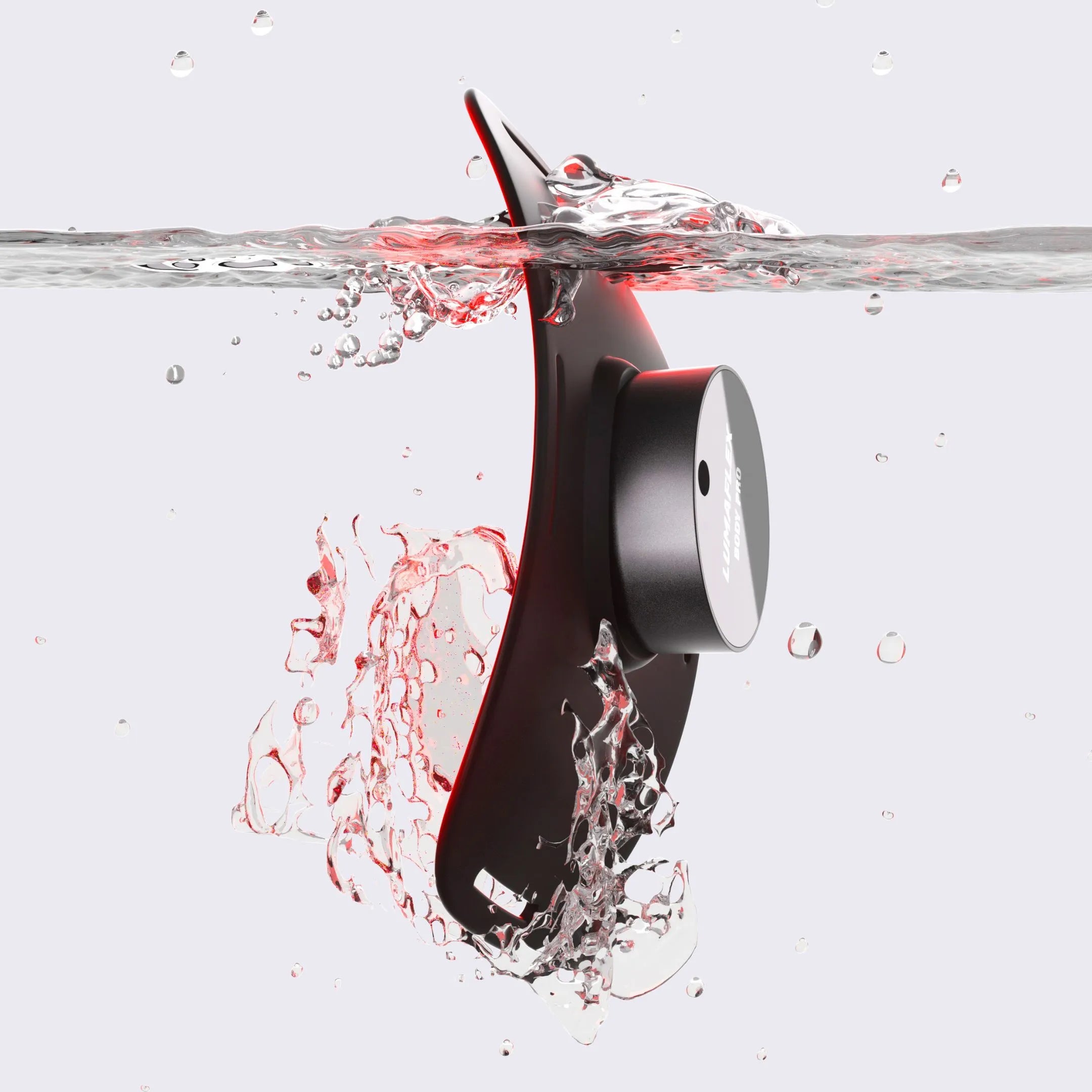
The Lumaflex Body Pro and Lumaflex Essential Pro both connect to the Lumaflex app, providing access to the full 1-100 Hz frequency range in a single continuous dial. A user wanting to run the joint pain protocol at 20 Hz sets it to exactly 20 Hz. A user needing the nerve pain protocol at 7 Hz sets it to exactly 7 Hz. A user transitioning from acute to repair phase drops from 65 Hz to 15 Hz precisely.
This matters because the distinction between 10 Hz and 40 Hz is not a minor difference in setting. They target different biological systems and are appropriate for categorically different pain presentations. Coarse preset groupings that lump them into the same mode produce less targeted outcomes.
Essential Pro: Full-Spectrum Coverage for Deep Pain
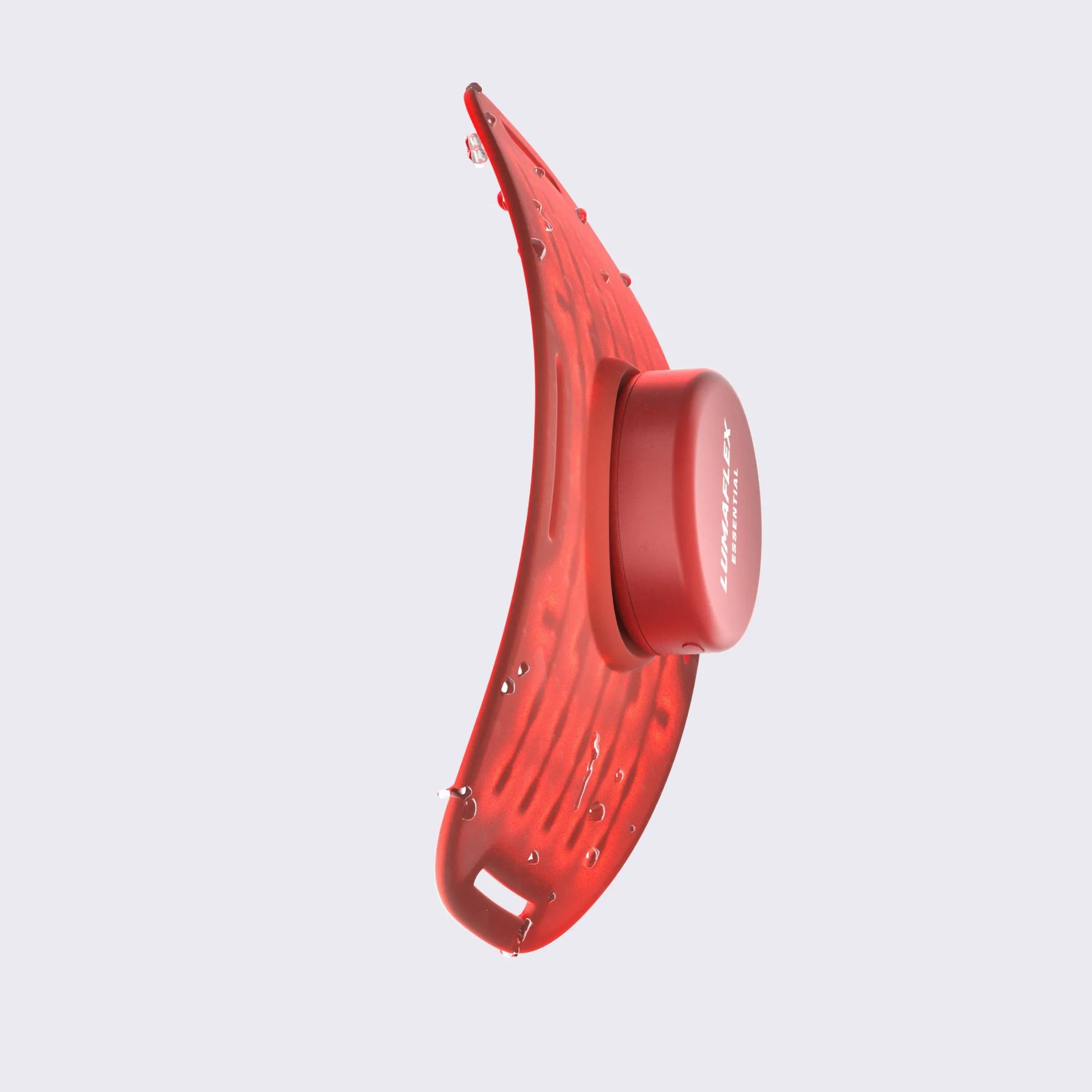
The Lumaflex Essential Pro carries six wavelengths from 630nm through 1064nm, covering every tissue depth relevant to pain management. Users dealing with deep joint conditions, who previously needed mid-infrared wavelengths that consumer devices rarely include, can run 904nm and 1064nm sessions at the precise Hz required for their condition. For complex pain presentations involving multiple tissue layers, the full wavelength stack allows a single session to address the entire depth range rather than targeting only one layer per session.
Practical Protocol Flexibility
Both devices support 10-minute sessions on a fully portable platform. This makes daily protocol adherence realistic without the logistical barrier of clinic visits or large panel devices. The research consistently shows that outcomes in PBM improve with frequency (consistency of sessions) rather than intensity, making the portability and daily usability of wearable devices a genuine protocol advantage over larger stationary units that are used less often because of setup friction.
Safety and Usage Considerations
Photobiomodulation for pain relief has a strong safety record across the literature. No serious adverse effects have been reported in the clinical studies reviewed here, and the therapy is non-thermal at correct power densities, non-ionizing, and non-addictive.
Consistency Over Intensity
The most common protocol error in at-home PBM use is expecting results from sporadic, high-intensity sessions. The biology works differently. ATP production, inflammation modulation, and nerve signaling changes accumulate with repeated exposure over time, not from a single long session. Three to five 10-minute sessions per week, maintained consistently over 4-8 weeks, will produce better pain outcomes than daily sessions for two weeks followed by a month off.
Start Conservative, Progress Gradually
When using the machine for the first time, it is recommended to begin with sessions of low frequency (between 10-30 Hz) and medium duration (10 minutes) before moving on to sessions at high frequency (between 80-100 Hz). This helps give one an idea of the reaction of the body to the stimulation before going higher. In cases where one uses the machine for treating chronic pain, it is recommended to have some patience.
Placement and Positioning
The device should be placed at or near the skin surface over the painful area. For deep structures like joints, direct placement over the skin surface above the joint provides the best penetration path for near-infrared wavelengths. For widespread or diffuse pain, the device can be moved across the target area within a session. Avoid applying to open wounds, recently irradiated tissue, or over the eyes.
The information provided here should not be taken as medical advice. Red Light Therapy cannot replace the medical opinion of a healthcare professional. Please see a doctor for any medical issues regarding pain.
Conclusion: Frequency + Wavelength = Precision Pain Relief
The research on photobiomodulation for pain is convincing across a wide range of conditions: joint pain, nerve pain, post-surgical recovery, musculoskeletal injury, and chronic inflammatory conditions all show meaningful responses. What the research also makes clear is that the quality of the response depends on protocol specificity.
Using 5-10 Hz for nerve pain because low frequencies calm sensitized nociceptors, and 80-100 Hz for deep chronic structural pain because high frequencies drive more aggressive cellular stimulation in deep tissue, produces categorically better outcomes than a generic fixed-frequency approach. Pairing those frequencies with wavelengths that actually reach the target tissue depth completes the protocol logic.
For users building a pain management practice with red light therapy, the core protocol principles are: match Hz to pain type, match wavelength to tissue depth, apply consistently over weeks rather than in bursts, and step down in frequency as acute conditions transition to repair phases.
References
Bjordal, J. M., Johnson, M. I., Iversen, V., Aimbire, F., & Lopes-Martins, R. a. B. (2006). Low-Level Laser therapy in acute Pain: A systematic review of possible mechanisms of action and clinical effects in Randomized Placebo-Controlled trials. Photomedicine and Laser Surgery, 24(2), 158–168. https://doi.org/10.1089/pho.2006.24.158
Carvalho, C. M., De Lacerda, J. A., Neto, F. P. D. S., Cangussu, M. C. T., Marques, A. M. C., & Pinheiro, A. L. B. (2009). Wavelength effect in temporomandibular joint pain: a clinical experience. Lasers in Medical Science, 25(2), 229–232. https://doi.org/10.1007/s10103-009-0695-y
Cheng, K., Martin, L. F., Slepian, M. J., Patwardhan, A. M., & Ibrahim, M. M. (2021). Mechanisms and Pathways of Pain Photobiomodulation: A Narrative review. Journal of Pain, 22(7), 763–777. https://doi.org/10.1016/j.jpain.2021.02.005
Chow, R. T., Johnson, M. I., Lopes-Martins, R. A., & Bjordal, J. M. (2009). Efficacy of low-level laser therapy in the management of neck pain: a systematic review and meta-analysis of randomised placebo or active-treatment controlled trials. The Lancet, 374(9705), 1897–1908. https://doi.org/10.1016/s0140-6736(09)61522-1
De Freitas, L. F., & Hamblin, M. R. (2016). Proposed mechanisms of photobiomodulation or Low-Level Light therapy. IEEE Journal of Selected Topics in Quantum Electronics, 22(3), 348–364. https://doi.org/10.1109/jstqe.2016.2561201
Fan, T., Li, Y., Wong, A. Y. L., Liang, X., Yuan, Y., Xia, P., Yao, Z., Wang, D., Pang, M. Y. C., Ding, C., Zhu, Z., Li, Y., & Fu, S. N. (2024). A systematic review and network meta-analysis on the optimal wavelength of low-level light therapy (LLLT) in treating knee osteoarthritis symptoms. Aging Clinical and Experimental Research, 36(1), 203. https://doi.org/10.1007/s40520-024-02853-0
Gonzalez-Lima, F., & Rojas. (2011). Low-level light therapy of the eye and brain. Eye And Brain, 3, 49. https://doi.org/10.2147/eb.s21391
Hamblin, M. R., & 02139, H. D. O. H. S. a. T. C. M., USA. (2017). Mechanisms and applications of the anti-inflammatory effects of photobiomodulation. AIMS Biophysics, 4(3), 337–361. https://doi.org/10.3934/biophy.2017.3.337
Jacques, S. L. (2013). Optical properties of biological tissues: a review. Physics in Medicine and Biology, 58(11), R37–R61. https://doi.org/10.1088/0031-9155/58/11/r37
Karu, T. (1999). Primary and secondary mechanisms of action of visible to near-IR radiation on cells. Journal of Photochemistry and Photobiology B Biology, 49(1), 1–17. https://doi.org/10.1016/s1011-1344(98)00219-x
Karu, T. I. (2010). Multiple roles of cytochrome c oxidase in mammalian cells under action of red and IR‐A radiation. IUBMB Life, 62(8), 607–610. https://doi.org/10.1002/iub.359
Ren, H., Liu, J., Liu, Y., Yu, C., Bao, G., & Kang, H. (2021). Comparative effectiveness of low‐level laser therapy with different wavelengths and transcutaneous electric nerve stimulation in the treatment of pain caused by temporomandibular disorders: A systematic review and network meta‐analysis. Journal of Oral Rehabilitation, 49(2), 138–149. https://doi.org/10.1111/joor.13230
Stausholm, M. B., Naterstad, I. F., Joensen, J., Lopes-Martins, R. Á. B., Sæbø, H., Lund, H., Fersum, K. V., & Bjordal, J. M. (2019). Efficacy of low-level laser therapy on pain and disability in knee osteoarthritis: systematic review and meta-analysis of randomised placebo-controlled trials. BMJ Open, 9(10), e031142. https://doi.org/10.1136/bmjopen-2019-031142
WALT. (2026, April 17). Home - WALT. https://waltpbm.org/